Jules Verne Times Two, CC BY-SA 4.0, via Wikimedia Commons
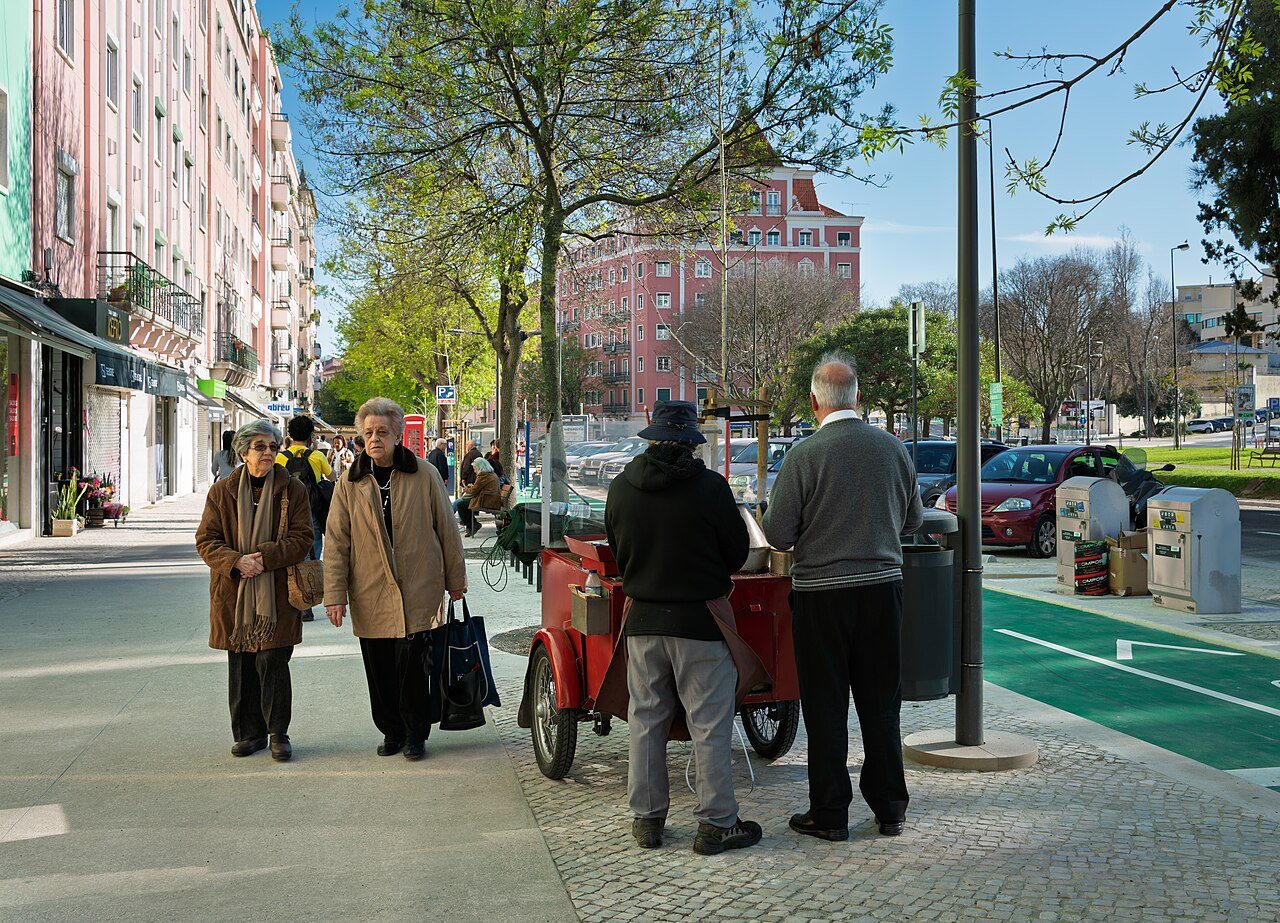
You usually smell them before you see them. A thin line of smoke drifting across a square, a cart with a blackened drum or a perforated pan over hot coals, and someone tipping a scoop of split, charred chestnuts into a paper cone. In much of southern Europe, that cart turning up on the corner is the most reliable sign that autumn has arrived.
Chestnut season runs roughly from October into the winter, peaking in the weeks when the harvest comes in. If you're traveling over the next month or so, it's one of the cheapest and most satisfying things you can eat on the street, and in a few places it comes with a whole festival attached.
Here's where I'd go looking, and what to expect when you get there.
Why chestnuts mattered so much
The sweet chestnut has been grown across southern Europe for a very long time, and in mountain regions where wheat struggled it was a staple rather than a treat. Dried and ground, chestnuts made flour for bread, porridge and flat cakes. In parts of Italy the tree was known as the albero del pane, the bread tree, which tells you how much people depended on it.
That history explains why chestnut traditions are strongest in hilly, rural places like the Apennines, the Ardèche in France, northern Portugal and Galicia. The street carts in the cities are the urban end of a much older habit.
Lisbon and Porto: smoke and paper cones
Portugal might be the best place in Europe to eat roasted chestnuts on the street. In Lisbon and Porto the carts, many of them with a little chimney puffing smoke like a toy train, appear in central squares as the weather cools. Castanhas assadas are usually served in a cone of folded paper, sometimes made from old newspaper or directory pages, which is half the charm.
The big date is São Martinho, St Martin's Day, on November 11. Across Portugal it's marked with the magusto, a gathering around a bonfire with roasted chestnuts and young wine or jeropiga, a sweet fortified drink. If your trip covers mid-November, it's worth asking locally where one is being held.
Italy: caldarroste and village sagre
In Rome, Naples and Florence you'll find caldarroste, roasted chestnuts, sold from carts near busy piazzas and outside the larger tourist sites. Quality varies a lot, so I'd buy from a vendor with a steady queue of locals rather than the one parked right by the most photographed fountain.
The real treat, though, is getting out of the cities. Through October, small towns in the chestnut-growing hills hold sagre, local food festivals, built around the harvest. Expect roasted chestnuts, chestnut-flour cakes such as castagnaccio, and long tables of people eating outdoors. Dates change each year, so check the town's own listings before you plan around one.
France, Spain and the Ardèche
In Paris, marrons chauds are sold outside metro stations and along busy streets once it gets cold. They're simple and good, especially if you've been walking all afternoon.
For something more rooted, the Ardèche in south-central France is chestnut country, with protected-origin status for its chestnuts and a run of autumn festivals in its villages. Over the border in Galicia, northwest Spain, the autumn magosto tradition has a lot in common with Portugal's, with bonfires, chestnuts and plenty of local wine.
Istanbul and Budapest
Istanbul's street vendors roast chestnuts on wide metal trays, often on the same carts that sell corn on the cob. The city of Bursa, south of Istanbul across the Sea of Marmara, is famous for its chestnuts and for kestane şekeri, candied chestnuts, which make a good edible souvenir.
In Budapest, look for sült gesztenye from street sellers in winter, then try gesztenyepüré in a café. It's sweetened chestnut purée piped into strands and topped with whipped cream, and it's richer than it looks (that's a compliment).
How to buy them, and how to eat them
Pick chestnuts whose shells have split open cleanly, which means they were scored properly and cooked through. Eat them hot. Once they cool, the thin, papery inner skin sticks to the nut and becomes a bitter, fiddly mess. Squeeze the shell gently from both sides and the chestnut should pop out in one piece.
If you fancy trying them back home, the method is easy. Cut a cross into the flat side of each shell with a sharp knife, roast them in a hot oven for 20 to 30 minutes until the shells curl open, then wrap them in a tea towel for a few minutes to steam before peeling. A quick safety note: always score the shells first, as unscored chestnuts can burst in the heat, and be careful with the knife on the hard, rounded shell.
One last thing for foragers. The shiny conkers that fall from horse chestnut trees in parks look similar, but they're a different tree and they are not edible. Sweet chestnuts come in a spiny, almost furry husk with several nuts inside, and that's the one you want.