There is a particular kind of November afternoon in Vienna: low gray sky, wind coming down the Ringstrasse, and the windows of a café glowing yellow across the street. You go in, a waiter in a black waistcoat nods you toward a marble table, and an hour later you are still there, halfway through a newspaper, with a slice of strudel and nobody hurrying you along.
That is the whole point of a Viennese coffee house. The coffee matters, and so does the cake, but what you are really ordering is time. In 2011 the culture of the Viennese coffee house was added to Austria's national inventory of intangible cultural heritage, under the UNESCO convention, which tells you how seriously the city takes the ritual.
It can feel a little formal the first time. It isn't, really, once you know how it works.
How the coffee house got started
Vienna's favorite origin story goes back to the Ottoman siege of 1683. According to legend, the retreating army left behind sacks of coffee beans, and a man named Georg Franz Kolschitzky, who had carried messages through enemy lines during the siege, used them to open the city's first coffee house.
Historians are skeptical. The first licensed coffee house in Vienna is usually credited to Johannes Diodato, an Armenian merchant, in 1685. Kolschitzky still gets the better publicity, and I suspect he always will.
Either way, by the nineteenth century the coffee house had become a kind of public living room. Writers, students, chess players and people who simply wanted somewhere warm to sit spent whole days in them, and several of the grand cafés from that era are still open.
What to order: Melange, Einspänner and the rest
Do not ask for a latte. Viennese coffee has its own vocabulary, and the menu can be long, but a few names will cover you.
A Melange is the classic order, coffee with steamed milk and a cap of milk foam, close to a cappuccino. An Einspänner is strong black coffee served in a glass with a thick layer of whipped cream on top, and it is my favorite on a cold day, though it takes some practice to drink without a cream mustache. A Kleiner Schwarzer is a small black coffee, and a Kleiner Brauner is the same with a little milk or cream on the side. A Verlängerter is a black coffee lengthened with hot water.
Your coffee will usually arrive on a small silver tray with a glass of water next to it. The water is part of the service, and in the better cafés it gets refilled without your asking.
The cake counter is not optional
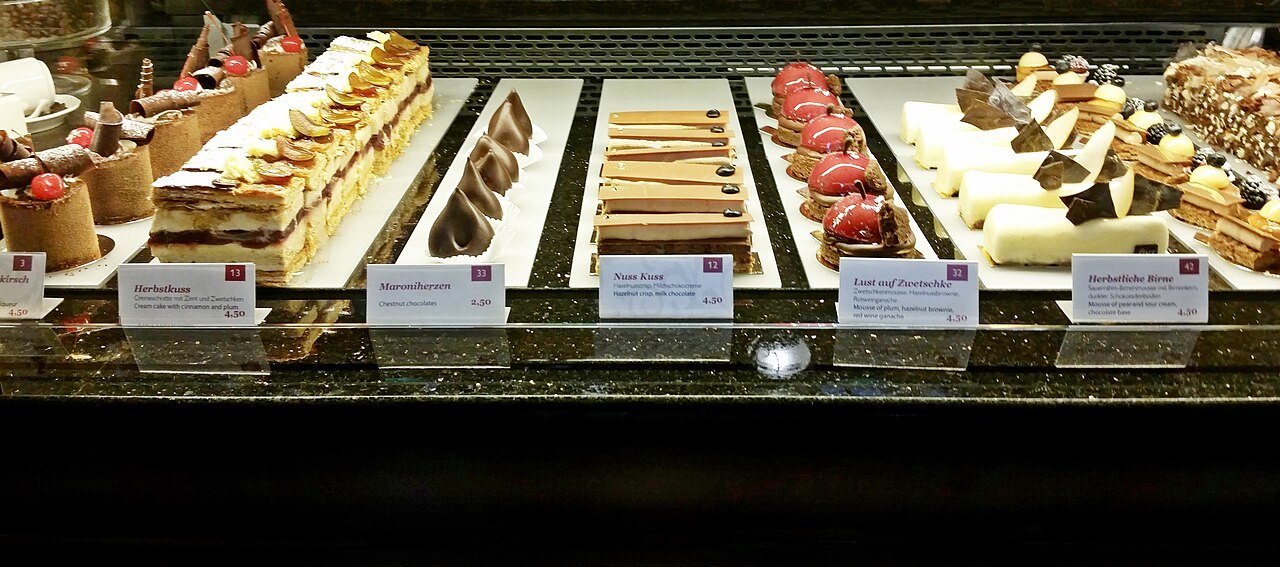
The cake display at Café Central in Vienna, with rows of layered cakes, chocolate tortes, cream slices and small pastries behind glass. Photo: fotogoocom, CC BY 3.0, via Wikimedia Commons
Most coffee houses have a glass cake counter near the entrance, and it is fine to wander over and look before you order. Many places will let you point at what you want and then send it to your table.
The obvious choice is Sachertorte, the dense chocolate cake with a thin layer of apricot jam and a dark chocolate glaze, usually served with unsweetened whipped cream. Apfelstrudel, apple strudel in paper-thin pastry, is the other classic and better on a cold day, in my opinion. If you want something lighter, look for Topfenstrudel, made with a soft fresh cheese called Topfen, or a Kardinalschnitte, a slice of meringue and sponge with cream in the middle.
Many coffee houses also serve proper food: goulash, Wiener schnitzel, soups and breakfast. So a long lunch in a café is perfectly normal.
Coffee house etiquette in five minutes
In most traditional coffee houses you can seat yourself unless there is a sign or a host at the door. A waiter will come to you. Waiters in the old cafés have a reputation for being brisk, and some of them live up to it. Don't take it personally. Once you have ordered they will leave you alone, which is exactly what you want.
Nobody expects you to leave when your cup is empty. Sitting for an hour or two over one coffee is completely normal here. Newspapers, often clipped into long wooden holders, are there for anyone to borrow.
When you are ready to go, catch the waiter's eye and say "Zahlen, bitte," which means "the bill, please." You normally pay at the table. Rounding the total up is the usual way to tip, and you tell the waiter the amount you want to pay as you hand over the money rather than leaving coins on the table.
Where to start
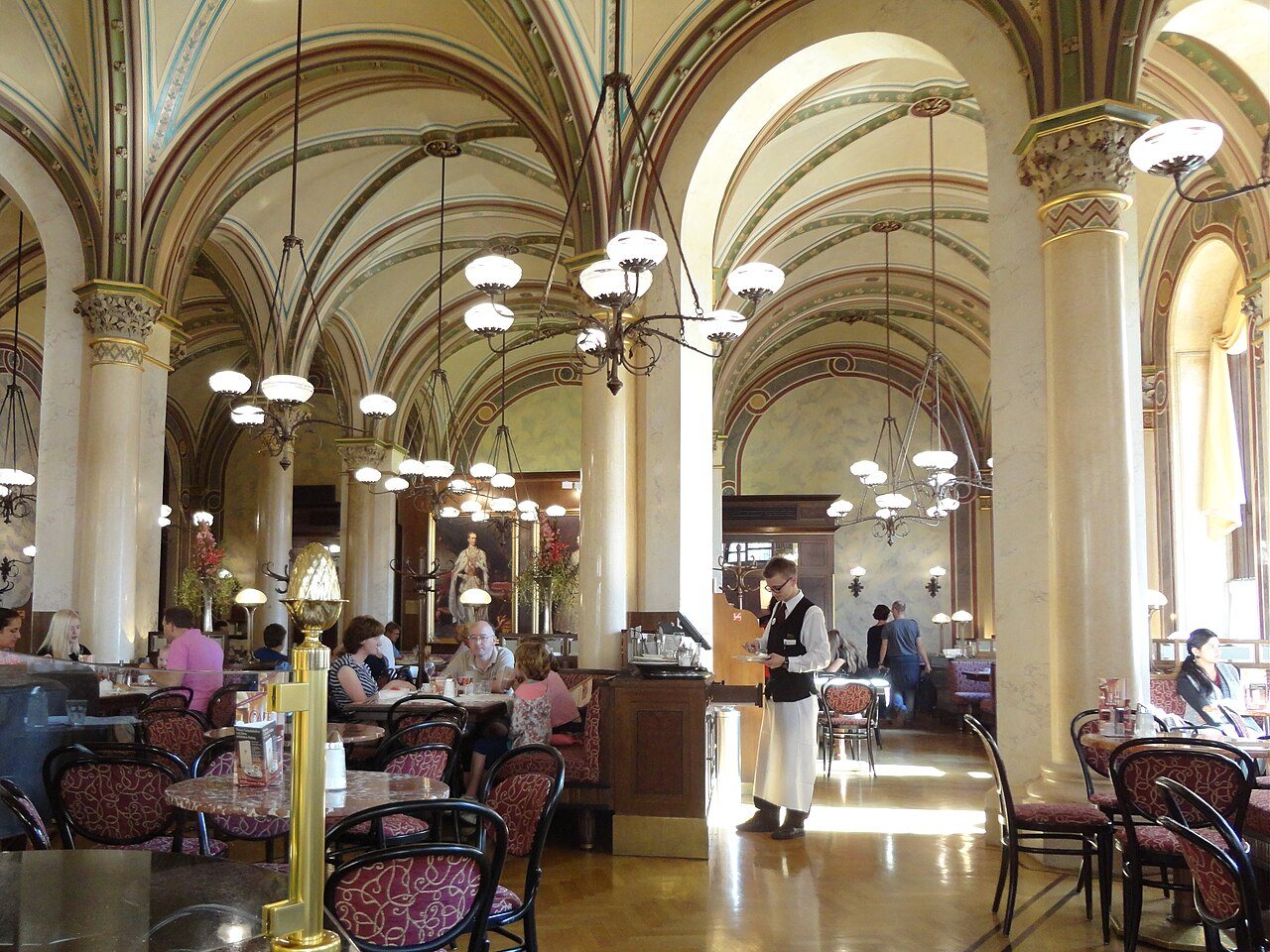
Café Central, in the Palais Ferstel in the old town, is the most famous, with vaulted ceilings, tall columns and a long history as a meeting place for writers and thinkers. It is beautiful, and it is also the busiest, so expect a line at peak times. Going early in the morning or later in the afternoon helps.
For something calmer, Café Sperl, near the Naschmarkt, has a faded nineteenth century interior with billiard tables and a more local crowd. Café Landtmann, next to the Burgtheater on the Ringstrasse, is grand and a little more formal. Café Hawelka, in a narrow lane near St. Stephen's Cathedral, is small, dark and crowded, and I mean that as a compliment.
Fitting it into a winter trip
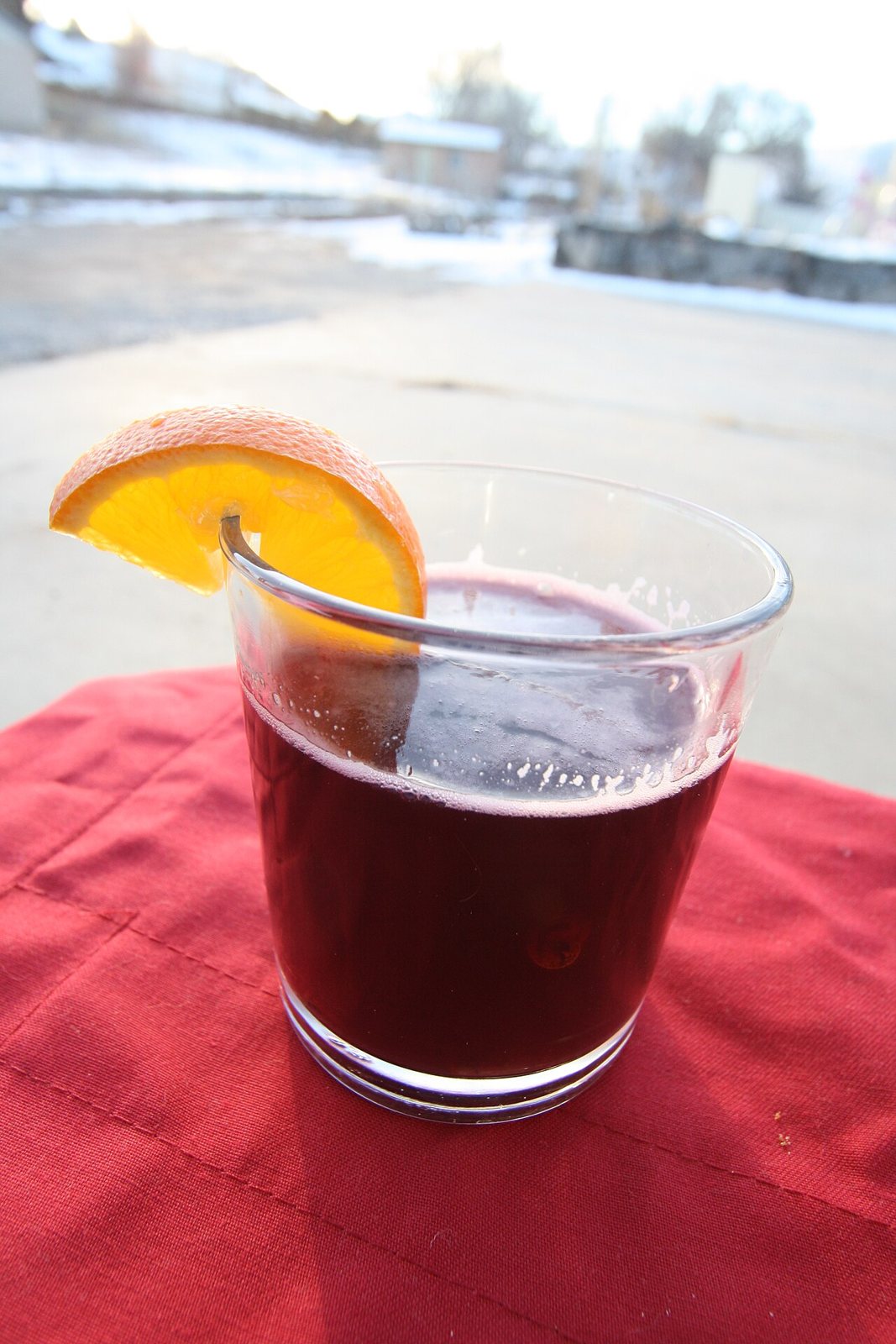
November is a good month for this. The Christmas markets start to open in the second half of the month, and after an hour outside with a mug of punch, a warm coffee house feels like exactly the right place to thaw out.
If you only have a short trip, try to visit two different cafés, one grand and one small, to see how varied they are. Order a Melange in one and an Einspänner in the other, share a slice of strudel, and do not look at your watch. That is how the Viennese do it, and on a cold afternoon it is hard to argue with them.
See more of us on GoogleAdd TrueVoyager as a preferred source and our stories can show up more often for you in Top Stories.