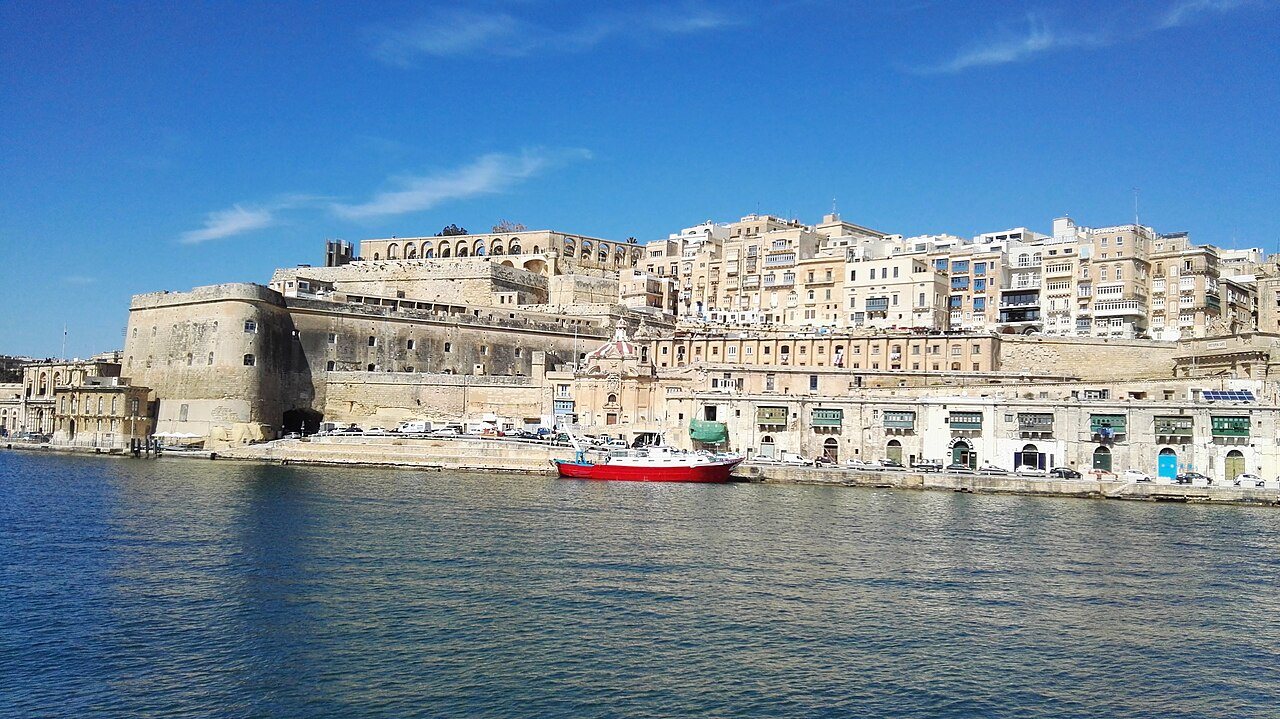
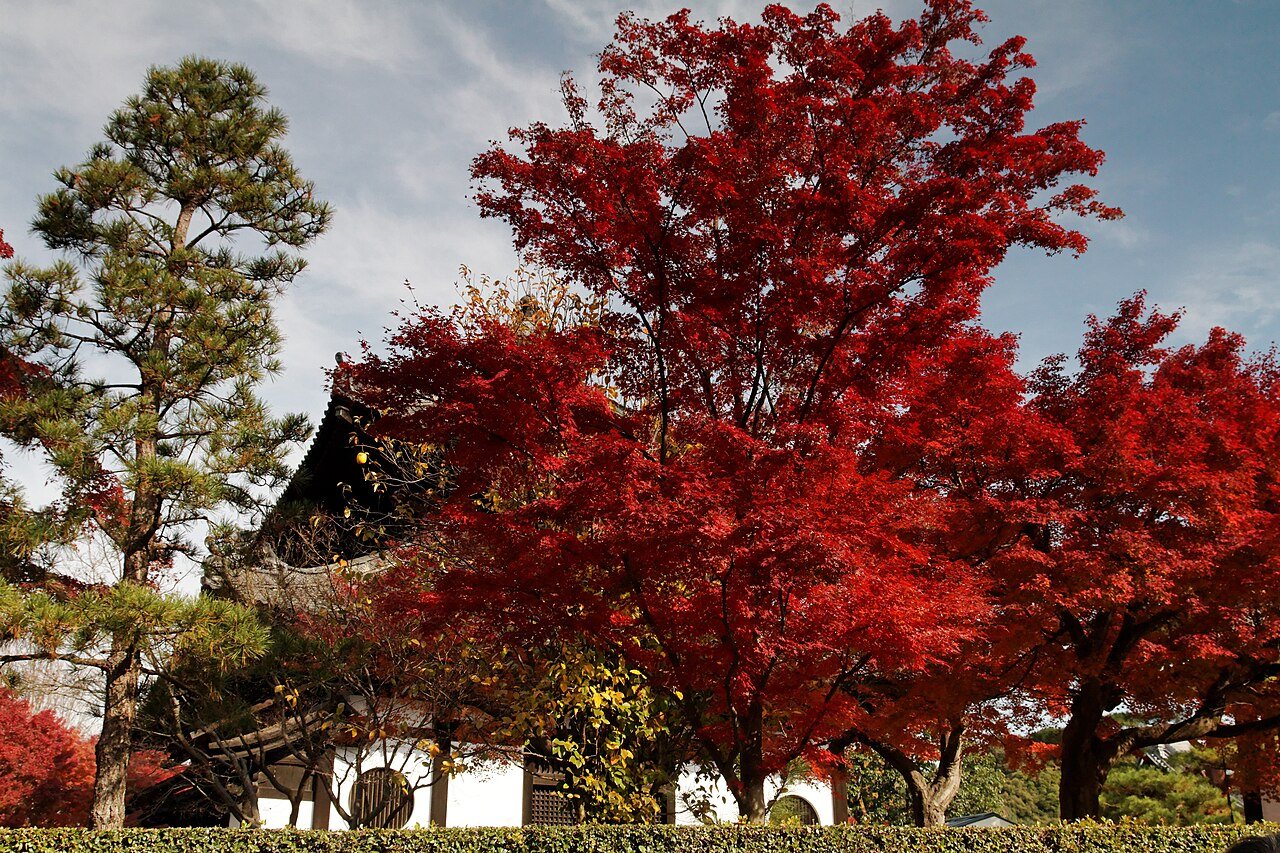
Photo: Diego Delso, CC BY-SA 3.0, via Wikimedia Commons
The first time I flew to Tenerife in December, I left a wet, dark morning at home and walked out of the airport a few hours later into the kind of warm, dry light you only get near the tropics. I had packed a coat. It spent the week at the bottom of my bag.
That is the whole appeal of the Canary Islands in winter. They belong to Spain but sit in the Atlantic off the coast of northwest Africa, and the trade winds keep the climate mild all year, which is why the islands have long been sold as a place of "eternal spring." On the coasts, winter days are usually warm enough for a T-shirt, though evenings can be cool and the sea is fresher than many people expect.
What is less obvious from a travel ad is how different the islands are from each other. Picking the right one matters more than picking the right hotel.
Tenerife if you want a bit of everything
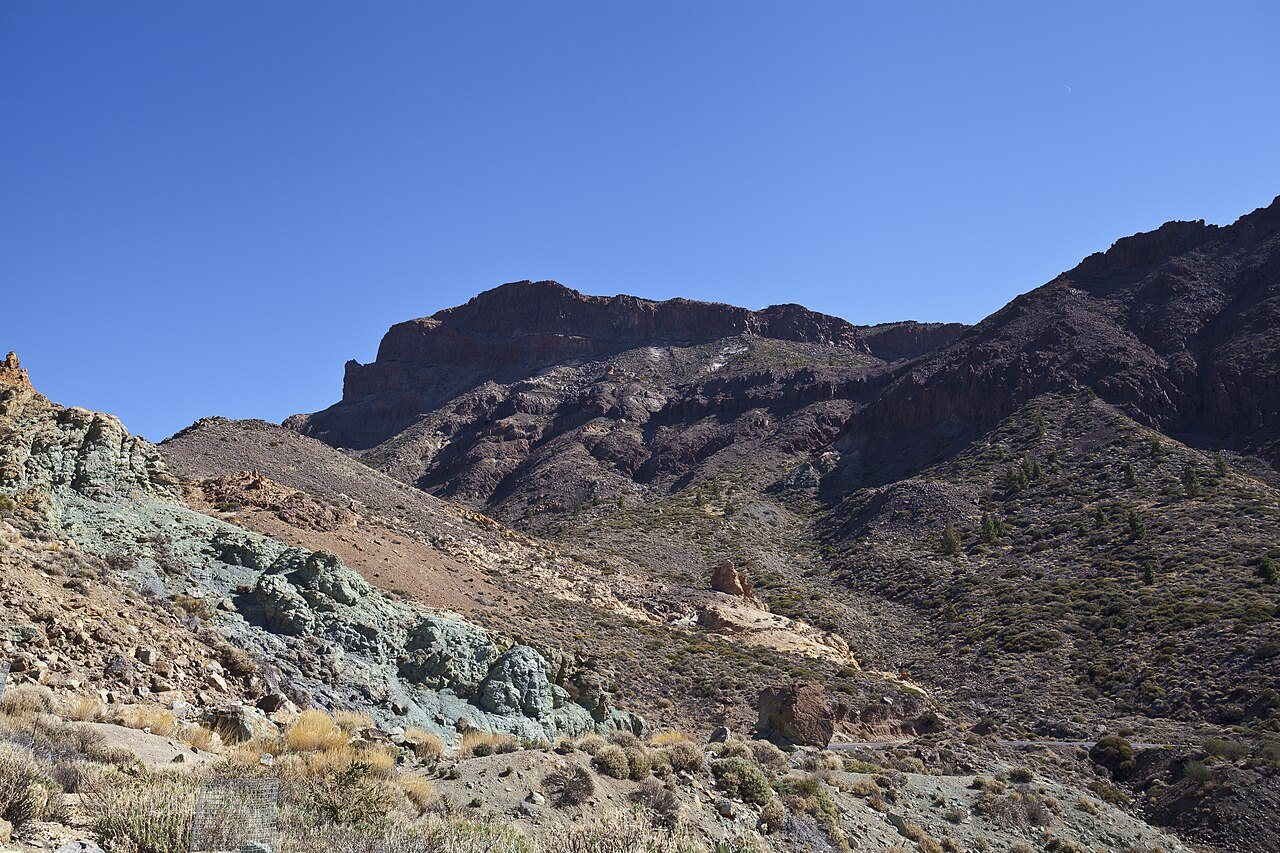
Volcanic slopes and pale green rocks under a clear blue sky in Teide National Park, Tenerife, in December (Photo: Diego Delso, CC BY-SA 3.0, via Wikimedia Commons)
Tenerife is the biggest island and the one with the most variety. The south, around Los Cristianos and Costa Adeje, is the dry, sunny side with most of the big resorts. The north is greener and cloudier, with the old town of La Orotava and the city of San Cristóbal de La Laguna, a UNESCO World Heritage site whose grid of streets became a model for colonial towns in the Americas.
In the middle sits Mount Teide. At 3,715 metres it is the highest point in Spain, and the national park around it, a UNESCO site since 2007, looks more like another planet than a holiday island. A cable car runs most of the way up when the weather allows. If you want to walk the final path to the summit crater, you need a free permit from the park, and those go well in advance. In winter the top can have snow and ice while people are swimming on the coast below, which is one of the stranger things you can see in Europe.
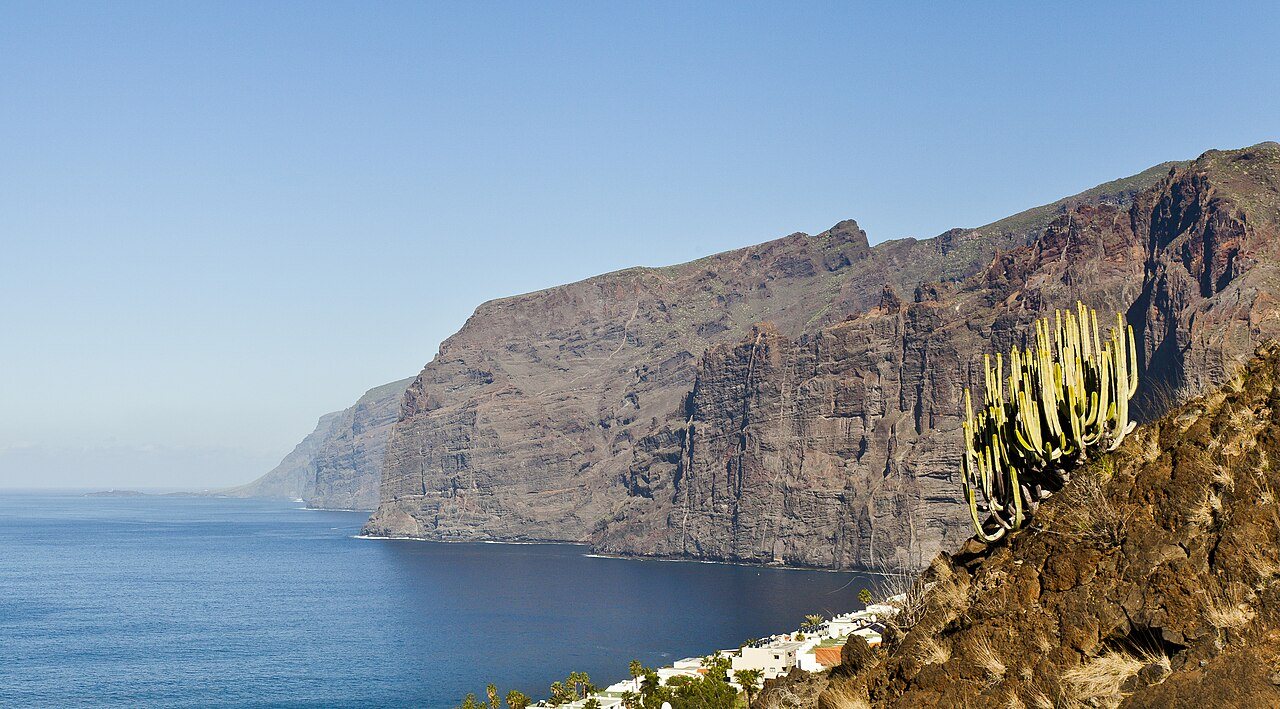
On the west coast, the Los Gigantes cliffs drop hundreds of metres straight into the sea. Boat trips go out along them, and the water there is often calm enough for whale and dolphin watching.
Lanzarote if you care about design and landscape
Lanzarote feels like a different country. Much of the island was covered by lava during long eruptions in the 1730s, and Timanfaya National Park preserves that landscape of craters and black fields.
The island also owes a lot to one person, the artist and architect César Manrique. He pushed for low, whitewashed buildings in a local style and against tall hotel blocks, and he turned volcanic caves and lava tubes into places like the Jameos del Agua, where a concert hall and a pool sit inside a collapsed lava tube. Lanzarote was named a UNESCO Biosphere Reserve in 1993. It is the island I would send anyone who thinks the Canaries are all the same.
Gran Canaria and Fuerteventura for beaches
Gran Canaria is the one to choose if you want a city and a beach on the same trip. Las Palmas has a long urban beach, Las Canteras, with a lively old quarter nearby. In the south, the Maspalomas dunes run down to the sea, and inland the road climbs to Roque Nublo, a huge rock pillar with views across to Teide on clear days.
Fuerteventura is drier and flatter, with long pale beaches and steady wind that has made it a favorite with windsurfers and kitesurfers. If your idea of a winter holiday is a lot of sand and not much else, this is your island. (It is also the windiest place I have ever tried to read a paperback.)
The smaller islands for something quieter
La Gomera, a short ferry ride from Tenerife, is steep, green and very good for hiking. It is also home to Silbo Gomero, a whistled form of Spanish that shepherds used to talk across deep valleys. UNESCO added it to its list of intangible cultural heritage in 2009, and it is taught in island schools.
La Palma is known for its dark skies and astronomical observatories, and for the 2021 eruption on its western side, which lasted for about three months and destroyed homes and banana plantations. Parts of the island are still rebuilding, so check local guidance before visiting the affected area. El Hierro, the smallest and most remote of the main islands, is for divers and people who really want to get away.
What to eat and how to plan
Wherever you go, order papas arrugadas, small potatoes boiled in salty water until their skins wrinkle, served with mojo sauces, a red one with peppers and a green one with herbs. Look for gofio too, a toasted grain flour that turns up in everything from soups to desserts.
A few practical notes for winter. The islands are on the same time as the UK and Portugal, an hour behind mainland Spain, and flights from much of northern Europe take around four hours. Winter is high season here, so book flights and the Teide summit permit early, especially around Christmas and New Year. Bring a warm layer for evenings and for any trip into the mountains, where it can be properly cold.
If you can, come back in February. The carnival in Santa Cruz de Tenerife is one of the biggest street parties in Spain, and by then you will already know which island you like best.
See more of us on GoogleAdd TrueVoyager as a preferred source and our stories can show up more often for you in Top Stories.