Photo: francois from Strasbourg, France, CC BY 2.0, via Wikimedia Commons
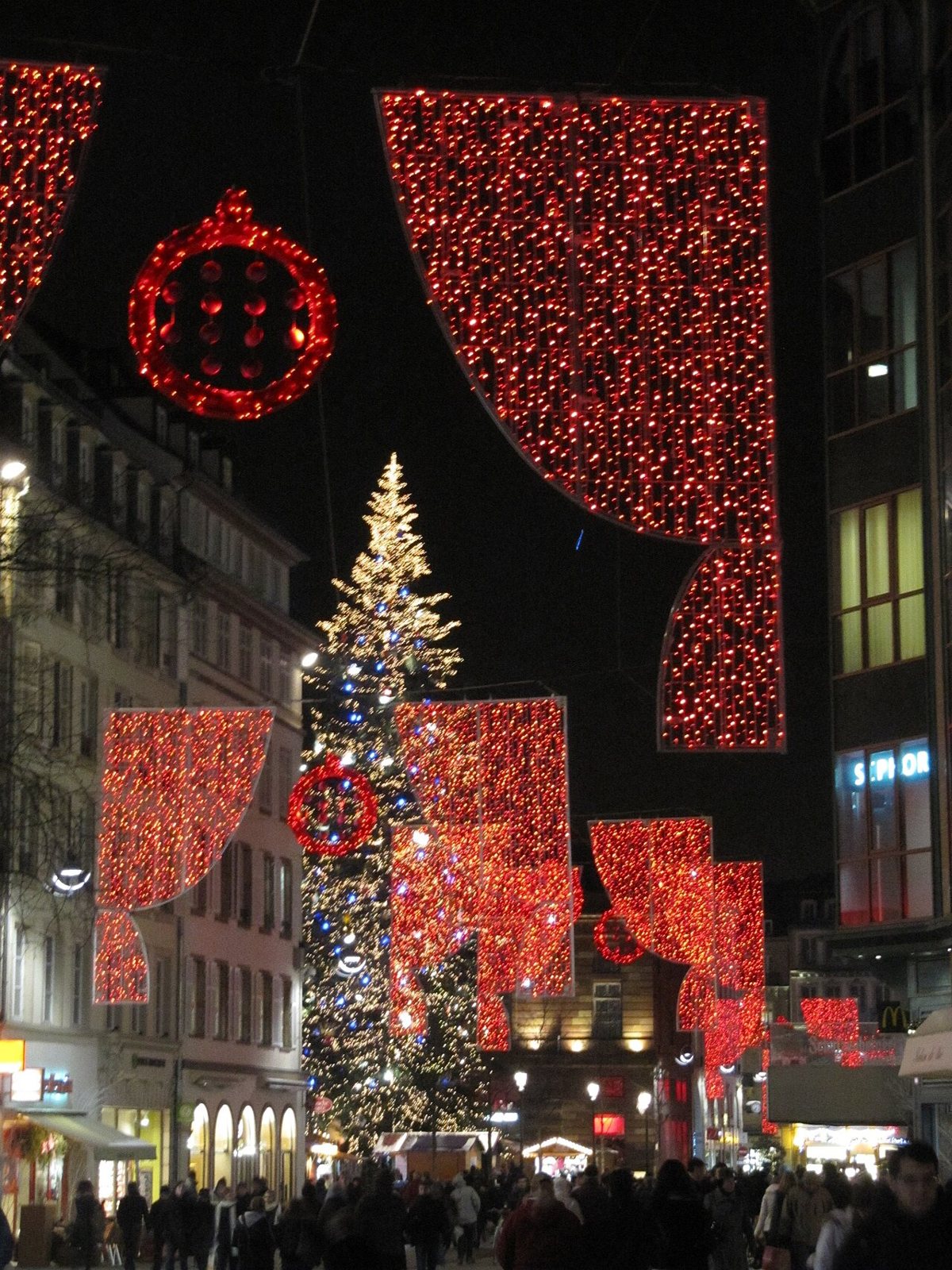
Strasbourg calls itself the Capitale de Noël, the capital of Christmas, which sounds like tourist-board bluster until you arrive on a December evening. Light curtains hang over the streets, the half-timbered houses are decorated down to the window boxes, and the air smells of cinnamon and warm wine pretty much everywhere you walk.
The city's Christmas market, the Christkindelsmärik, dates back to 1570, which makes it one of the oldest in Europe and the oldest in France. These days it isn't one market but a collection of them spread across the old town, so you can spend a whole day wandering between squares.
Here's how I'd plan a visit, from someone who has made most of the beginner mistakes already.
Where the markets are
Almost everything happens on the Grande Île, the island at the heart of the city formed by the river Ill and its canals. The island's old town is a UNESCO World Heritage Site, and it's compact enough to cross on foot in about 20 minutes, if you don't stop, which you will.
Place Broglie is the historic home of the market and still has one of the biggest clusters of stalls. The area around the cathedral is the most atmospheric, with chalets set in the narrow streets beneath the tall red sandstone front of Notre-Dame de Strasbourg. Place Kléber, the main square, is where the city puts up its Great Christmas Tree, a giant fir hung with lights and decorations that has become a meeting point.
Smaller markets pop up in other squares, some themed around local producers or regional crafts. Pick up a map from the tourist office near the cathedral, or check the city's official market website, since the exact layout and opening dates change a little each year.
What to eat and drink
Mulled wine, vin chaud, is the obvious place to start, and in Alsace you'll often find white versions alongside the red, which reflects the region's white wine country. Most stalls serve it in a reusable cup with a deposit; you can return the cup or keep it as a souvenir (mine are lined up on a kitchen shelf and I regret nothing).
The thing to look for in bakery windows is bredele, small Alsatian Christmas biscuits that come in dozens of shapes and flavors, from anise to cinnamon stars. You'll also see kougelhopf, the tall ring-shaped cake with almonds and raisins, pain d'épices (spiced gingerbread), and big soft pretzels. For something savory, look for tarte flambée, the thin, crisp flatbread topped with cream, onions and bacon.
Don't skip the cathedral
Even if you're here only for the markets, step inside Notre-Dame de Strasbourg. Its spire made it the tallest building in the world for a couple of centuries, and the interior is a welcome quiet spot after the crowds outside.
Most visitors head straight for the astronomical clock in the south transept. The current mechanism dates from the 1840s, and every day at 12:30 its figures parade, including the apostles filing past Christ and a rooster that crows. Get there early if you want a decent view, because the space fills up.
Petite France and a walk by the water
Petite France, at the western tip of the island, is the postcard part of town: half-timbered houses leaning over canals, old tanners' houses and small bridges. It's especially pretty after dark in December. From there you can walk on to the Barrage Vauban, a 17th-century dam with a terrace on top that gives one of the best views back over the old town.
If you've had enough of walking, boat tours on the Ill run year round and offer a different angle on the city's architecture, including the grand German-era Neustadt district.
Getting there and avoiding the crush
Strasbourg is easy to reach by train. High-speed TGV services from Paris take around two hours, and there are good connections from Germany and Switzerland too. The city's tram network is excellent, and the old town is best seen on foot anyway.
The markets get very crowded on Friday evenings and weekends, especially in mid-December, when coach tours arrive from all over the region. If you can, come on a weekday and visit the busiest squares in the morning. Expect bag checks at entry points to the island during the market season, and allow a little extra time for them.
Making a trip of it
If you have an extra day, Colmar is about half an hour away by train and has its own well-known Christmas markets in a smaller, even more storybook setting. Smaller Alsatian villages along the wine route hold markets too, though you'll want a car or a tour to reach most of them.
Before you book, check the official Strasbourg tourism and market sites for this year's dates, which usually run from late November until just before Christmas, and reserve accommodation early. Hotels inside the old town fill up months ahead for December weekends.
See more of us on GoogleAdd TrueVoyager as a preferred source and our stories can show up more often for you in Top Stories.