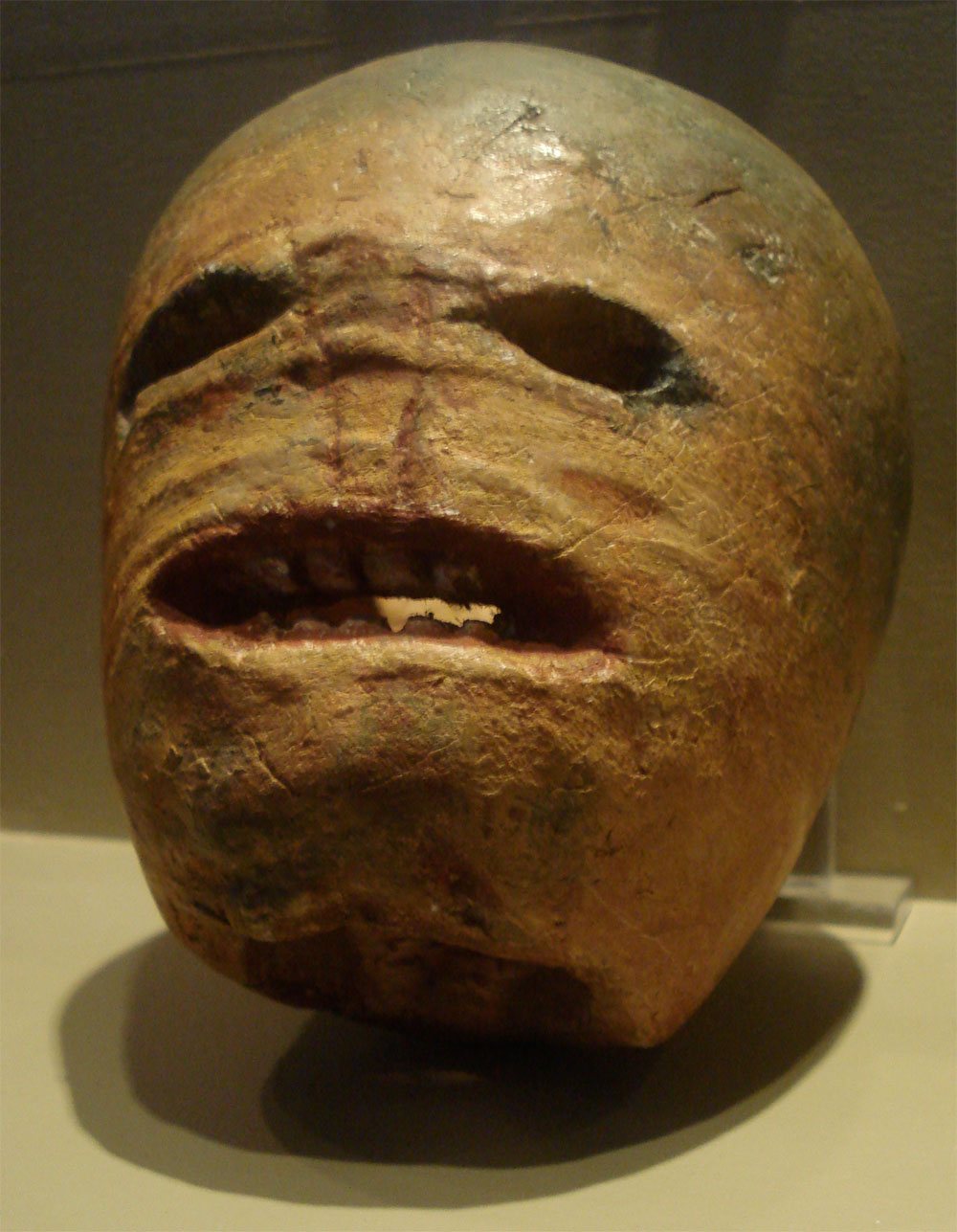
Photo: rannṗáirtí anaiṫnid (coṁrá), CC BY-SA 3.0, via Wikimedia Commons
On a low hill outside the town of Athboy in County Meath, there's a ring of grassy banks and ditches that most drivers on the road below never notice. It's called the Hill of Ward, or Tlachtga in Irish, and in the old stories it was the place where a great fire was lit at Samhain, the festival that marked the end of summer and the start of winter.
Samhain is where Halloween comes from. Bonfires, disguises and the idea that the dead walk around on this one night of the year: a good deal of that reached the rest of the world from Ireland, carried by emigrants in the 1800s and reshaped in America into the pumpkin-and-candy version most of us know.
If you're in Ireland this week, or planning a trip for next October, it's possible to see the older layer underneath, and I'd argue it's a lot more interesting than plastic skeletons.
What Samhain was, and what we don't know
Samhain (pronounced roughly "SOW-in") was one of the four great seasonal festivals of the Gaelic year, falling around what is now October 31 and November 1. It marked the end of the harvest and the move of herds back from summer pastures. Medieval Irish texts describe it as a time of gatherings, feasting, and dealings with the Otherworld, when the boundary between the living and the supernatural grew thin.
There's a catch, though. Almost everything written down about Samhain comes from Christian monks recording older stories centuries after the fact. A lot of what you'll read online about druid sacrifices or ancient rituals is guesswork dressed up as history. The broad picture is reliable. The specific details often aren't, and I'd be wary of any tour guide who sounds completely certain.
From turnips to pumpkins
The custom that traveled best was the carved lantern. In Ireland, and in Scotland too, people hollowed out turnips (in practice usually big swedes) and cut faces into them, with a coal or candle inside. The story attached to them is the folktale of Stingy Jack, a man so tricky he was barred from both heaven and hell and left to wander with a coal in a hollowed vegetable.
When Irish families arrived in America in large numbers in the 19th century, they found pumpkins, which are a great deal easier to carve than a rock-hard turnip. Anyone who has tried the original will tell you the switch was entirely reasonable. The Irish turnip lantern, though, is the ancestor, and old ones look properly frightening.
The National Museum of Ireland's Country Life branch at Turlough Park in County Mayo is a good place to learn about rural customs like these, through its collections on everyday life in the Irish countryside.
The Hill of Ward and the Púca Festival
The Hill of Ward is the place most associated with the Samhain fire. Archaeologists have excavated there in recent years and found that the earthworks were built and reused over a long period. The site sits on farmland, so check access before you go rather than climbing a fence.
In 2019 Ireland's tourism body launched the Púca Festival, named after a shape-shifting spirit from Irish folklore, with events across Meath around Trim, Athboy and Drogheda. It mixes music, food and storytelling with a revived Samhain fire procession. The program and dates change from year to year, so look at the official festival site for current plans.
Trim is also worth a stop for its castle, the largest Anglo-Norman castle in Ireland, which looks especially good under a gray October sky.
Rathcroghan and the Cave of the Cats
For something stranger, head west to Rathcroghan in County Roscommon, one of the great royal sites of ancient Ireland. Among its many earthworks and burial mounds is a narrow cave called Oweynagat, the Cave of the Cats. Medieval texts describe it as a gateway to the Otherworld, from which fearsome creatures poured out at Samhain, and it has picked up the nickname "Ireland's gateway to hell."
The Rathcroghan Visitor Centre in the village of Tulsk runs guided visits, and the cave involves a tight squeeze and a fair bit of mud. It isn't for everyone. I'd say it's one of the most atmospheric ancient sites you can visit in Ireland, and in late October it feels positively unsettling.
Derry and the big modern party
At the other end of the scale, Derry in Northern Ireland puts on a Halloween celebration that has grown into one of the largest in Europe, with a carnival parade, events across the city and fireworks over the River Foyle. It's about as far from a quiet hilltop in Meath as you can get, and that's rather the point: loud, crowded and a lot of fun.
Accommodation goes quickly around Halloween, so if this one interests you for a future year, book early.
Food to try while you're there
You'll find barmbrack in Irish bakeries through October. It's a sweet, spiced loaf full of dried fruit, and traditionally small items were baked into it, most famously a ring that promised marriage to whoever found it in their slice. Shop-bought ones still often have a ring tucked inside, so chew carefully. Colcannon, mashed potato with cabbage or kale, is another old Halloween dish.
If you want to round out the trip with something hands-on, try carving a turnip lantern yourself. Bring a sharp knife, a strong spoon and a great deal of patience, and keep the blade pointed away from your hands. You'll come away with a new respect for the people who did it every year, and a clear understanding of why the pumpkin won.