Dietmar Rabich, CC BY-SA 4.0, via Wikimedia Commons
The first winter trip I took with a proper camera, I lost half the shots I'd planned. The battery died on a bridge in the middle of the afternoon, and when I finally got back to the hotel the lens fogged up so badly I thought I'd broken it. Neither problem was the camera's fault.
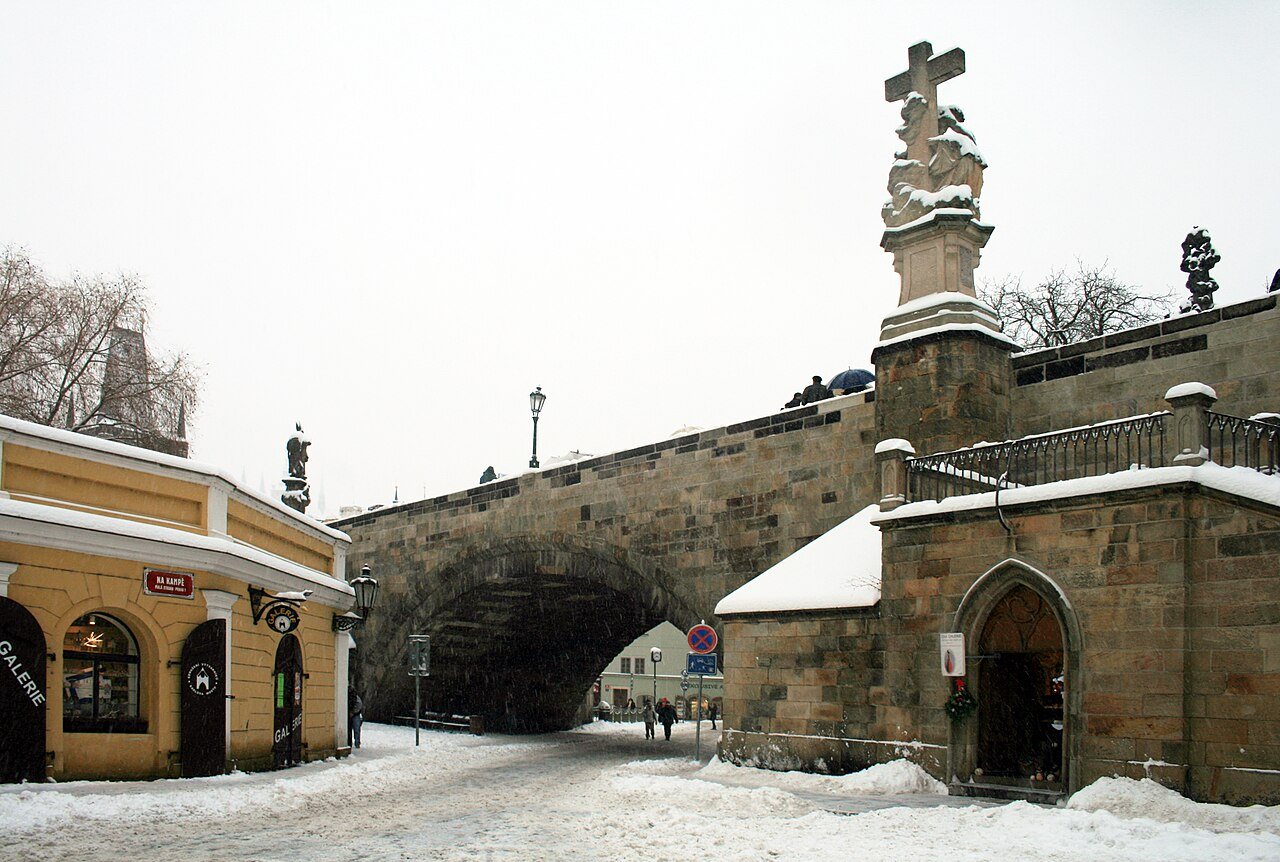
Winter is a wonderful season for travel photos once you know its quirks. The light is softer and lower for most of the day, cities put their lights on early, and a dusting of snow makes even an ordinary street look like a postcard. The trade-offs are short days, cold fingers and gear that behaves a little differently.
These tips work whether you're shooting with a phone or a dedicated camera.
Use the low sun, all day long
In summer the best light tends to arrive in the hour or so after sunrise and before sunset, the so-called golden hour, and the middle of the day is often harsh. In winter, especially the further you are from the equator, the sun never climbs very high. That means warm, angled light that throws long shadows for much more of the day.
Use it. Side light brings out the texture of old stone, cobbles and snow. Shooting toward a low sun gives you glowing edges on people and steam rising from food stalls. And because sunrise comes late, you don't have to drag yourself out of bed at an unreasonable hour to catch it. (This is my favorite thing about winter, and I'm not ashamed of it.)
Check the sunrise and sunset times for your destination before you go. In northern Europe in December the gap between them can be startlingly short, and it changes how you plan a day of sightseeing.
Blue hour happens before dinner
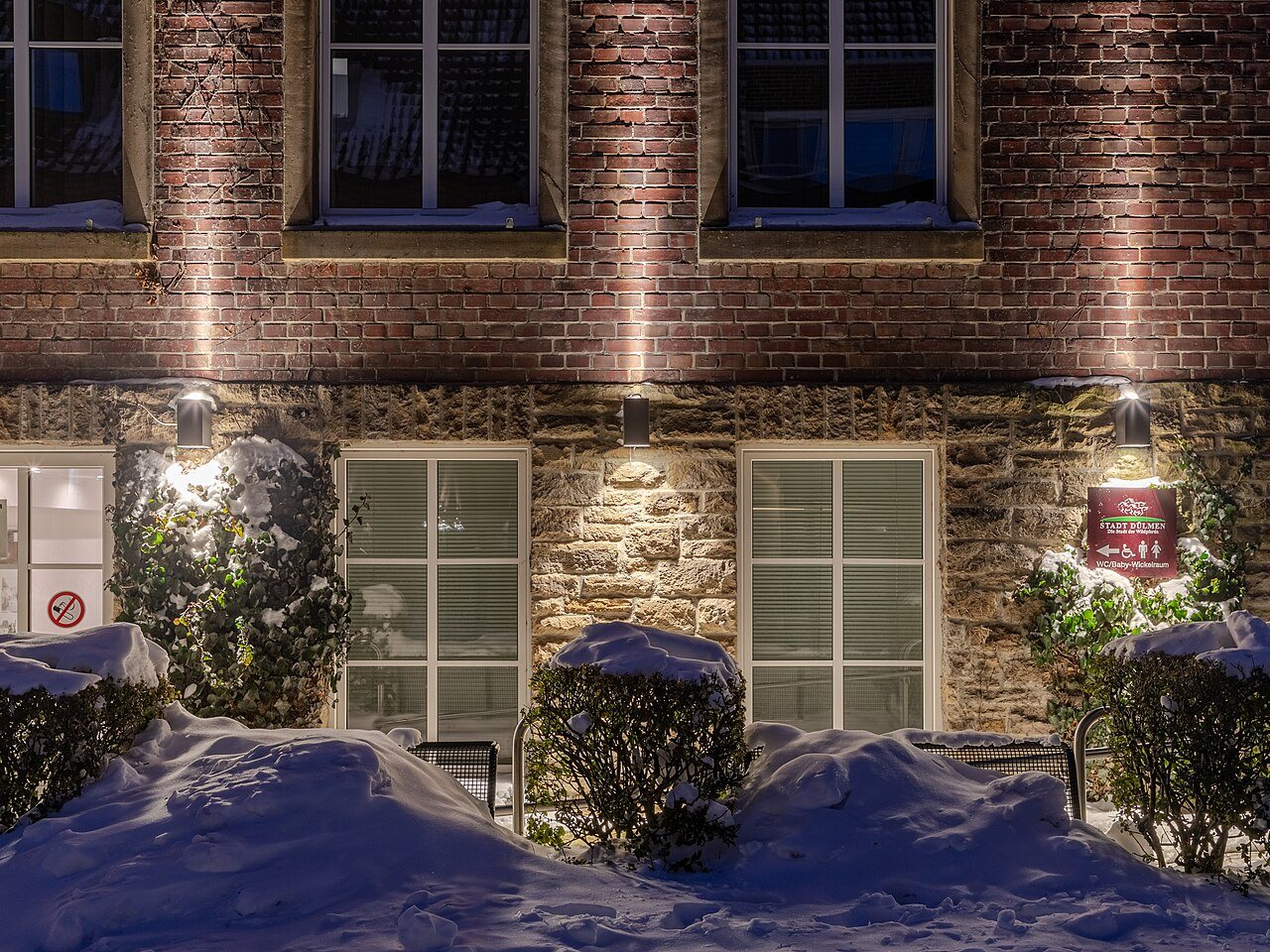
Blue hour is the period after the sun has set (and before it rises) when the sky turns a deep, even blue. It is the moment city lights, illuminated buildings and shop windows balance nicely against the sky instead of glaring out of a black background.
In winter, it comes early in the evening, sometimes around the time you'd be heading out for a drink. That makes it far easier to catch than in summer, when you might be waiting until late at night. Pick a spot with a view of something lit up, a bridge, a cathedral, a square with decorations, and get there before the sun has fully gone. The best color doesn't last long.
For sharp photos in that light, steady the camera. Phones handle low light remarkably well now, but bracing against a wall or a railing still helps. A small travel tripod is worth packing if you enjoy night shots, though check the rules before setting one up in museums, churches or busy attractions.
Keep batteries warm
Lithium-ion batteries, the kind in phones and most cameras, lose capacity in the cold. They aren't empty; the cold just makes them deliver less power, and they often recover once they warm up again.
The fix is simple. Carry a spare battery or a power bank in an inside pocket close to your body, and swap them over when one starts to flag. Keep your phone in an inner pocket between shots rather than in a bag or an outer coat pocket. If a battery seems dead after a cold afternoon, warm it up in your pocket before you give up on it.
Stop your lens fogging indoors
When you carry a cold camera into a warm, humid café or hotel, moisture in the air condenses on the cold glass and metal. That's the fog. It's harmless in small amounts, but you don't want condensation forming inside the camera regularly.
Before you go inside, put the camera into a zip-top bag or a closed camera bag and let it warm up slowly to room temperature before opening it. The condensation then forms on the outside of the bag instead. Avoid wiping a fogged lens with your sleeve; just give it time.
Exposing for snow
Bright snow can fool automatic exposure into making a scene too dark, so white snow comes out a dull gray. If that happens, nudge the exposure compensation up a little (on most phones, tap the screen and slide the brightness control upward). Then check the screen and adjust again if the snow starts losing all its detail.
Overcast winter days are worth photographing too. The soft, flat light is lovely for portraits and close-ups of markets, food and details.
Look after yourself and your hands
Cold hands make for shaky photos and missed moments. Thin liner gloves or touchscreen gloves under warmer mittens let you work your phone or camera without exposing your fingers for long. Watch your footing on icy pavements when you're looking through a viewfinder; it's surprisingly easy to step backward off a curb while framing a shot.
Back at the hotel each evening, charge every battery, back up your photos and lay out tomorrow's spare in your coat pocket. That small routine has saved more of my trips than any piece of gear I own.
See more of us on GoogleAdd TrueVoyager as a preferred source and our stories can show up more often for you in Top Stories.