Photo: Z thomas, CC BY-SA 3.0, via Wikimedia Commons
In August, Valletta can feel like a stone oven. The streets are narrow, the limestone throws the heat straight back at you, and cruise passengers move through the old city in waves. Come back in November and it is a different place. The light goes soft and gold on the bastions in the late afternoon, the queues at the big sights shrink, and you can walk for hours without feeling cooked.
Malta is one of the few places in Europe where late autumn still feels like a proper holiday. Days are usually mild, often in the low 20s Celsius early in the month, though it gets cooler and wetter as the weeks go on, and you should expect some rain. The sea holds on to its summer warmth for a while, and some hardy swimmers keep going into November.
The country is also small. The main island is roughly 27 kilometers long, so even a short trip can take in a capital, a medieval hill town, prehistoric temples and a second island without much time on the road.
Valletta, a city built in a hurry
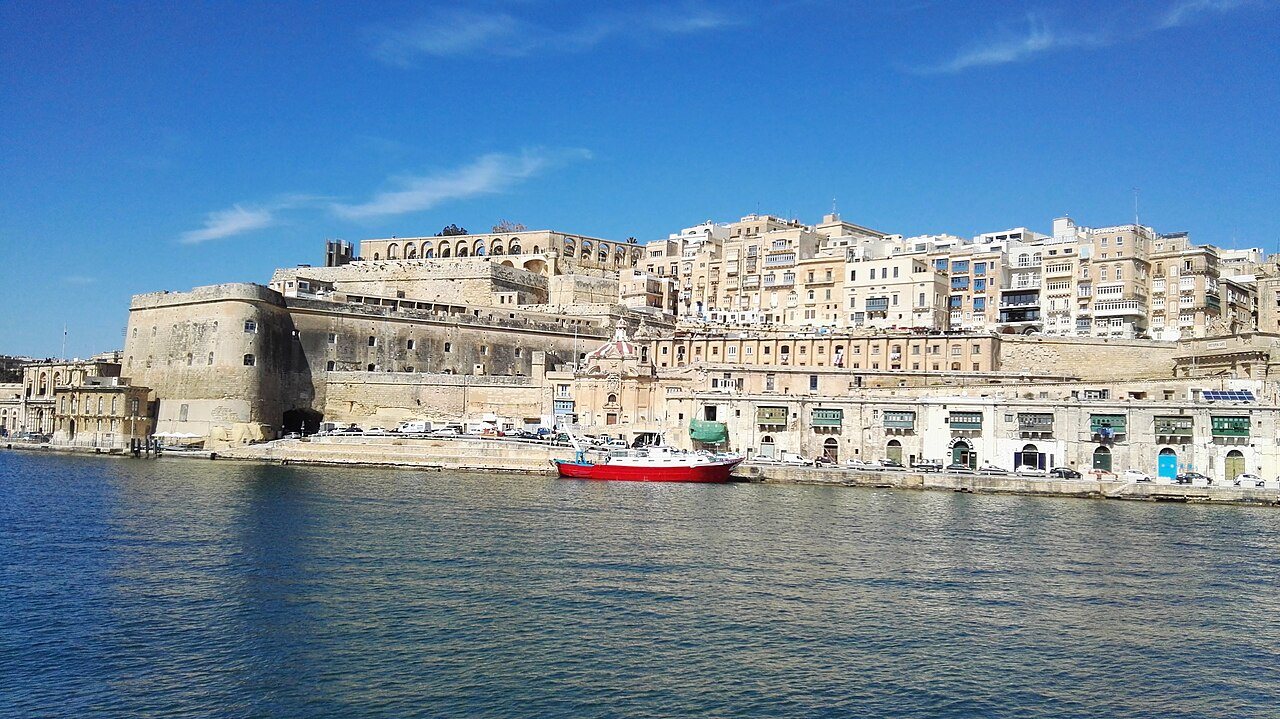
The capital was planned and built after the Great Siege of 1565, when the Knights of St John held off an Ottoman invasion. The city takes its name from the Grand Master who led that defense, Jean de Valette, and it was laid out on a grid across a narrow peninsula, wrapped in massive walls. The whole city is a UNESCO World Heritage Site.
Start at the Upper Barrakka Gardens, the arched terrace you can see at the top of the photo above. It looks straight across the Grand Harbour to the old fortified towns on the other side. Just below it is the Saluting Battery, where cannons are still fired at noon each day, a tradition that is easily the loudest thing you will hear in Malta that does not involve fireworks.
Then go to St John's Co-Cathedral. From the outside it is plain, almost severe. Inside, nearly every surface is gilded, carved or painted, and the floor is made of hundreds of inlaid marble tombstones of knights. The oratory holds Caravaggio's "The Beheading of Saint John the Baptist," his largest painting and the only one he signed. Check opening times before you go, since it closes for services, and dress with shoulders and knees covered.
The Three Cities across the water
Across the harbor, Birgu, Senglea and Bormla, known together as the Three Cities, are older than Valletta and far quieter. The Knights were based in Birgu before the capital was built, and the narrow lanes there still have a lived-in feel.
The easy way over is by water. Small traditional boats called dgħajjes cross the harbor, and there is also a regular ferry service between Valletta and the Three Cities. In November the crossing is pleasant instead of punishing, and you get the best view of Valletta's walls from the water.
Mdina and the temples
Inland, Mdina sits on a ridge in the center of the island. It was the capital before the Knights arrived, and it is often called the Silent City because so few cars are allowed inside the walls. It is at its best early in the morning or after the day-trippers leave, when the lanes are close to empty. Neighboring Rabat has catacombs from the Roman and early Christian periods worth an hour.
Malta's prehistoric temples are older than the pyramids of Giza, which still surprises most visitors. Ħaġar Qim and Mnajdra stand on the southern coast, looking out over the sea, and are a good pairing for a half-day. The Ħal Saflieni Hypogeum, an underground burial complex carved out of the rock, is one of the most remarkable sites in the Mediterranean, but visitor numbers are tightly limited and tickets often sell out weeks ahead. If it matters to you, book before anything else.
Gozo for a slower day
Gozo, the second island, is greener, smaller and much more relaxed. Car and passenger ferries run between Ċirkewwa on the northern tip of Malta and Mġarr on Gozo, and the crossing is short. A fast ferry also connects Valletta with Gozo.
On Gozo, the walled Citadel in Victoria (also called Rabat) has views across almost the whole island. The Ġgantija temples, among the oldest freestanding structures in the world, are a short drive away. And the coastline at Dwejra is still dramatic, even without the famous Azure Window rock arch, which collapsed into the sea in a storm in 2017.
What to eat while you are there
Maltese food is a mix of Sicilian, North African and British influences, and November is a good time for the heartier dishes. Look for stuffat tal-fenek, a slow-cooked rabbit stew that is often called the national dish, and ftira, a ring-shaped bread usually served stuffed with tomatoes, capers, olives and tuna.
Pastizzi are the island's great snack: flaky pastries filled with ricotta or mushy peas, sold from small shops everywhere for very little. You will probably eat more of them than you planned.
Before you book
November is low season, which generally means better hotel availability and fewer cruise crowds, but it also means some beach businesses and boat trips run reduced schedules or close for the winter. Check ahead for anything weather dependent, such as boat trips to the Blue Lagoon on Comino.
Pack layers and a light waterproof. Days can be warm, evenings cool down noticeably, and rain, when it comes, tends to arrive in short heavy bursts. Malta drives on the left, which catches out a lot of visitors, and the public bus network covers most of both islands if you would rather not drive at all.
And give Valletta at least one evening. Once the day visitors leave and the lamps come on along the bastions, it is one of the nicest small cities in Europe to wander around.